

You wake up with a flat stomach and by the time lunch is over you look like you swallowed a balloon. Or maybe the bloating never really goes away at all, just shifts between bad and worse depending on what you eat or what time of day it is. If your stomach is bloated all the time and it has become your new normal, something specific is driving it and you deserve to know what.
A stomach bloated all the time is one of the most common digestive complaints in the United States, and it is also one of the most misunderstood. People assume it is just gas or that they need to eat less. But persistent bloating that does not go away with simple changes usually has a root cause that goes deeper than portion sizes. Here are nine of the most common possible causes of a stomach that feels bloated all the time and what each one means for your health.
1. Food Intolerances You Have Not Identified Yet
If your stomach is bloated all the time regardless of what you try, unidentified food intolerances are one of the most likely explanations. The most common culprits are lactose, the sugar found in dairy products, and gluten, the protein found in wheat, barley, and rye. But food intolerances extend well beyond these two. Fructose intolerance, sensitivity to certain food additives and preservatives, and reactions to high-FODMAP foods like onions, garlic, apples, and beans are all very common and very frequently undiagnosed.

When you eat a food your digestive system cannot process efficiently, the undigested components ferment in your colon and produce gas. That gas causes the distension and pressure that makes your stomach bloated all the time and leaves you uncomfortable for hours after eating. The tricky part is that food intolerance reactions are not always immediate, which makes it hard to connect specific foods to your symptoms without careful tracking.
An elimination diet, where you remove the most common trigger foods for two to four weeks and then reintroduce them one at a time, is the most reliable way to identify which foods are making your stomach bloated all the time. A registered dietitian can guide you through this process to make sure you are doing it effectively.
2. Irritable Bowel Syndrome
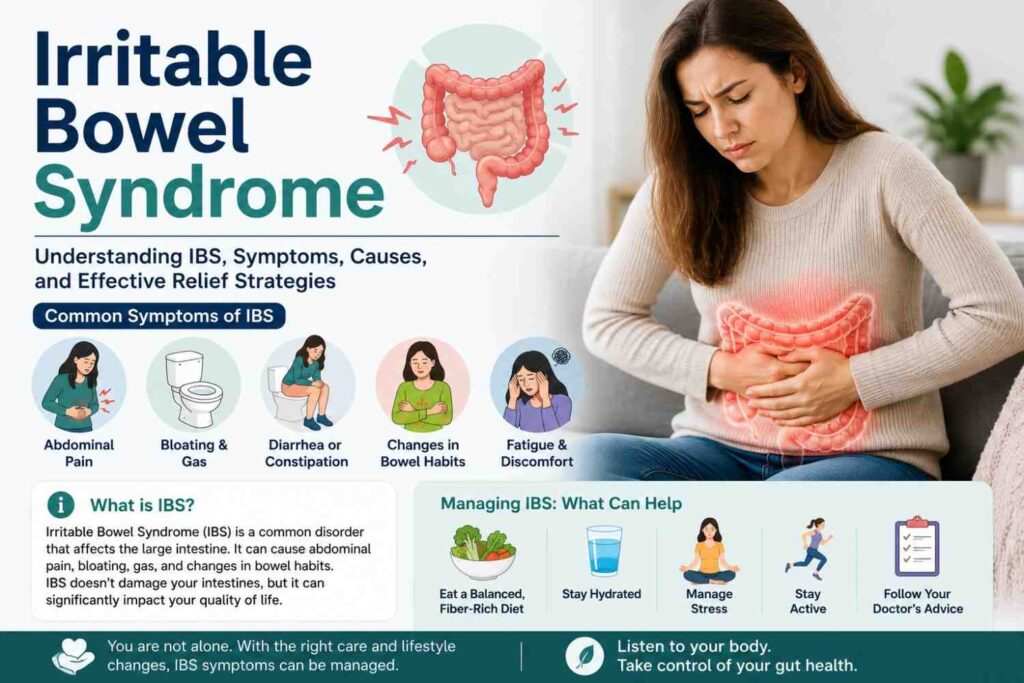
IBS is one of the most common diagnoses associated with a stomach bloated all the time, and it affects an estimated 10 to 15 percent of American adults, with women being significantly more commonly affected than men. IBS is a functional digestive disorder, meaning the structure of the digestive tract is normal but the way it functions is not. The gut is hypersensitive to normal amounts of gas and movement, which triggers the sensation of bloating, pain, and discomfort that people with IBS experience regularly.
The bloating in IBS is often described as visible distension that worsens throughout the day and improves somewhat overnight. It is frequently accompanied by alternating constipation and diarrhea, abdominal cramping, and urgency to use the bathroom. Stress, certain foods, hormonal changes, and even disruptions to the gut microbiome can all trigger or worsen IBS symptoms.
IBS is diagnosed based on symptoms after ruling out other conditions. Management typically involves dietary modifications, stress management, probiotics, and in some cases medications. The low-FODMAP diet in particular has strong evidence for reducing IBS-related bloating and is worth exploring with a gastroenterologist or dietitian.
Why Do I Feel Dizzy After Eating? 10 Hidden Reasons You Should Know
3. Small Intestinal Bacterial Overgrowth (SIBO)
SIBO is a condition where bacteria that normally live in the large intestine migrate into the small intestine and overgrow. The small intestine is not designed to handle large populations of bacteria, and when those bacteria ferment carbohydrates in the small intestine, they produce hydrogen and methane gas that causes significant bloating, distension, belching, and discomfort that makes your stomach bloated all the time.

SIBO is far more common than most people realize and is thought to be a significant underlying cause of IBS symptoms in a large percentage of people with that diagnosis. It can develop after a gastrointestinal infection, following the use of antibiotics that disrupt the normal gut bacterial balance, in people with slower digestive motility, or in those with certain structural abnormalities of the digestive tract.
A breath test that measures hydrogen and methane gas can diagnose SIBO. Treatment typically involves a course of specific antibiotics to reduce the bacterial overgrowth, followed by dietary changes and probiotics to prevent recurrence. Many people with a stomach bloated all the time who have not responded to other interventions find significant relief once SIBO is properly identified and treated.
4. Constipation

This is one of the most straightforward causes of a stomach bloated all the time and also one of the most commonly overlooked because people often do not recognize that they are constipated. You do not have to be going days without a bowel movement to be constipated in a clinically meaningful sense. If your stools are hard, difficult to pass, incomplete, or infrequent by your personal baseline, constipation may be causing a significant backup in your digestive system that produces persistent bloating and fullness.
When stool sits in the colon for extended periods, bacteria continue fermenting it and producing gas. That gas has nowhere to go efficiently and causes the distension and pressure that makes your stomach feel bloated all the time. The bloating from constipation is often most pronounced in the lower abdomen and tends to improve at least temporarily after a bowel movement.
Increasing dietary fiber gradually, drinking adequate water, getting regular physical activity, and establishing a consistent bathroom routine are the most effective first steps for constipation-related bloating. If dietary changes do not resolve the issue, a doctor can evaluate for underlying causes of chronic constipation.
5. Gut Dysbiosis and Microbiome Imbalance
Your gut is home to trillions of microorganisms, and the balance between beneficial and less beneficial bacteria has a profound effect on digestion, gas production, and bloating. When that balance is disrupted, a condition called dysbiosis, the overgrowth of gas-producing bacteria or the reduction of bacteria that help regulate fermentation can leave you with a stomach bloated all the time even when you are eating foods that seem perfectly healthy.
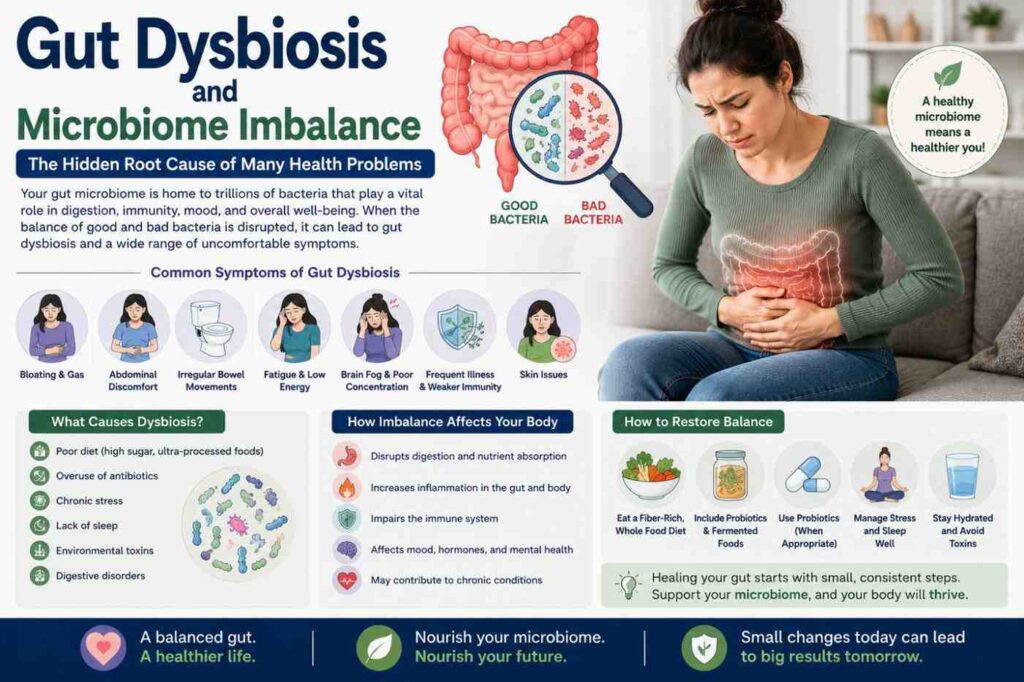
Gut dysbiosis is increasingly common because of the modern American diet, which is heavy in processed foods, sugar, and refined carbohydrates that feed less beneficial bacteria, and light on the fiber-rich whole foods that feed the beneficial ones. A history of antibiotic use, chronic stress, poor sleep, and low physical activity all contribute to dysbiosis as well.
Supporting gut health through a diet rich in diverse vegetables, legumes, whole grains, and fermented foods like yogurt, kefir, kimchi, and sauerkraut helps restore a healthier microbial balance over time. Probiotic supplements can also help, though the specific strains matter more than the overall count on the label.
6. Celiac Disease

Celiac disease is an autoimmune condition where the ingestion of gluten triggers an immune response that damages the lining of the small intestine. It is significantly underdiagnosed, with estimates suggesting that up to 83 percent of people with celiac disease in the United States have not been formally diagnosed. A stomach bloated all the time is one of the hallmark symptoms, along with diarrhea, fatigue, abdominal pain, and in some people no obvious digestive symptoms at all despite significant intestinal damage.
The bloating in celiac disease results from the intestinal damage that impairs nutrient absorption and allows undigested food particles to reach the colon, where they ferment and produce gas. It tends to be worst after meals containing wheat, barley, or rye and may improve significantly when these foods are avoided, even before a formal diagnosis is made.
If your stomach is bloated all the time and you have a family history of celiac disease, unexplained iron deficiency anemia, or other autoimmune conditions, celiac disease testing through a blood test and possibly an intestinal biopsy is worth discussing with your doctor before eliminating gluten from your diet.
Why Do I Feel Dizzy After Eating? 10 Hidden Reasons You Should Know
7. Swallowing Too Much Air
Aerophagia, which is the medical term for swallowing excess air, is a surprisingly common cause of a stomach bloated all the time and one that most people have never considered. Every time you eat quickly, talk while eating, chew gum, drink through a straw, or consume carbonated beverages, you swallow air along with your food and drink. That air has to go somewhere, and when it does not escape upward as belching, it moves into the intestines and causes gas and bloating.

People who eat their meals in under ten minutes, which describes a large portion of busy Americans, are particularly prone to swallowing significant amounts of air with their food. Anxiety and stress also increase the tendency to swallow air as a nervous habit.
Slowing down at mealtimes, chewing thoroughly with your mouth closed, avoiding carbonated drinks, cutting out chewing gum, and not eating while distracted are all effective ways to reduce the amount of air you swallow and the bloating that comes with it.
8. Hormonal Changes

Hormonal fluctuations, particularly those related to the menstrual cycle, are a significant cause of a stomach bloated all the time in women. Estrogen and progesterone both influence how the digestive system functions and how much fluid the body retains, and when these hormones fluctuate significantly in the days before and during menstruation, bloating and digestive discomfort are common results.
Women in perimenopause and menopause often find that their digestive symptoms change significantly as estrogen levels decline, with bloating becoming more persistent and less predictable than it was before. Thyroid hormones also influence gut motility, and hypothyroidism can slow digestion enough to cause chronic constipation and bloating that persists until the thyroid condition is properly treated.
If your stomach is bloated all the time and the bloating fluctuates in a pattern that correlates with your menstrual cycle or other hormonal changes, tracking the timing carefully and discussing it with your gynecologist can help identify whether hormones are a primary driver.
9. Stress and the Gut-Brain Connection
The gut and the brain are in constant communication through a network called the gut-brain axis, and psychological stress has very real and very direct effects on digestive function. When you are under chronic stress, your nervous system shifts digestive resources away from normal function, alters the speed at which food moves through your intestines, increases gut sensitivity, and disrupts the balance of bacteria in your microbiome. All of these changes can leave your stomach bloated all the time even when your diet has not changed at all.a
Many people notice that their bloating is significantly worse during stressful periods at work or in their personal life and improves during vacations or calmer stretches. This is not a coincidence or a psychological reaction. It is a direct physiological effect of the nervous system on gut function.
Managing stress through regular physical activity, adequate sleep, and practices that genuinely help you decompress reduces the stress-related disruption to digestive function and can make a meaningful difference in how often and how severely your stomach feels bloated all the time.
Getting to the Bottom of Persistent Bloating
If your stomach is bloated all the time and simple dietary changes have not made a dent, the most important step is getting a proper evaluation rather than continuing to guess. A gastroenterologist can evaluate you for IBS, SIBO, celiac disease, and other structural or functional digestive conditions that may be driving your symptoms.
In the meantime, keeping a food and symptom diary for two to three weeks, eating more slowly, reducing processed foods and carbonated drinks, staying well hydrated, and getting regular physical activity are all changes that support better digestive function regardless of the underlying cause.
Your stomach being bloated all the time is not something you just have to live with. Most of the causes on this list are very treatable once properly identified, and your quality of life can improve significantly with the right approach.
1. Is it normal to have a bloated stomach every day?
No, it is not normal to have a bloated stomach every day. Occasional bloating after a large meal is common, but if your stomach feels bloated every single day, something specific is causing it such as a food intolerance, IBS, SIBO, or a digestive condition that deserves attention.
2. Why does my stomach feel bloated every day?
Daily bloating is most commonly caused by food intolerances, irritable bowel syndrome, small intestinal bacterial overgrowth, constipation, or swallowing too much air while eating. Stress, hormonal changes, and gut microbiome imbalances are also frequent contributors.
3. How do I get rid of a bloated tummy?
Start by identifying trigger foods through an elimination diet, eat more slowly, reduce sodium and processed foods, stay well hydrated, and get regular physical activity. If bloating persists, see a gastroenterologist to rule out IBS, SIBO, or celiac disease.
4. What illnesses cause constant bloating?
Conditions that commonly cause constant bloating include IBS, celiac disease, SIBO, Crohn’s disease, hypothyroidism, ovarian cysts, and in rare cases certain cancers. Persistent bloating that does not improve with dietary changes always warrants medical evaluation.
5. What organ failure causes bloating?
Kidney failure and liver failure are the most significant organ-related causes of bloating and abdominal distension. Both conditions cause fluid to accumulate in the abdominal cavity, a condition called ascites, which produces severe and persistent swelling that is different from ordinary digestive bloating.